Proven Media Blasting: Stronger, Longer-Lasting Powder Coat
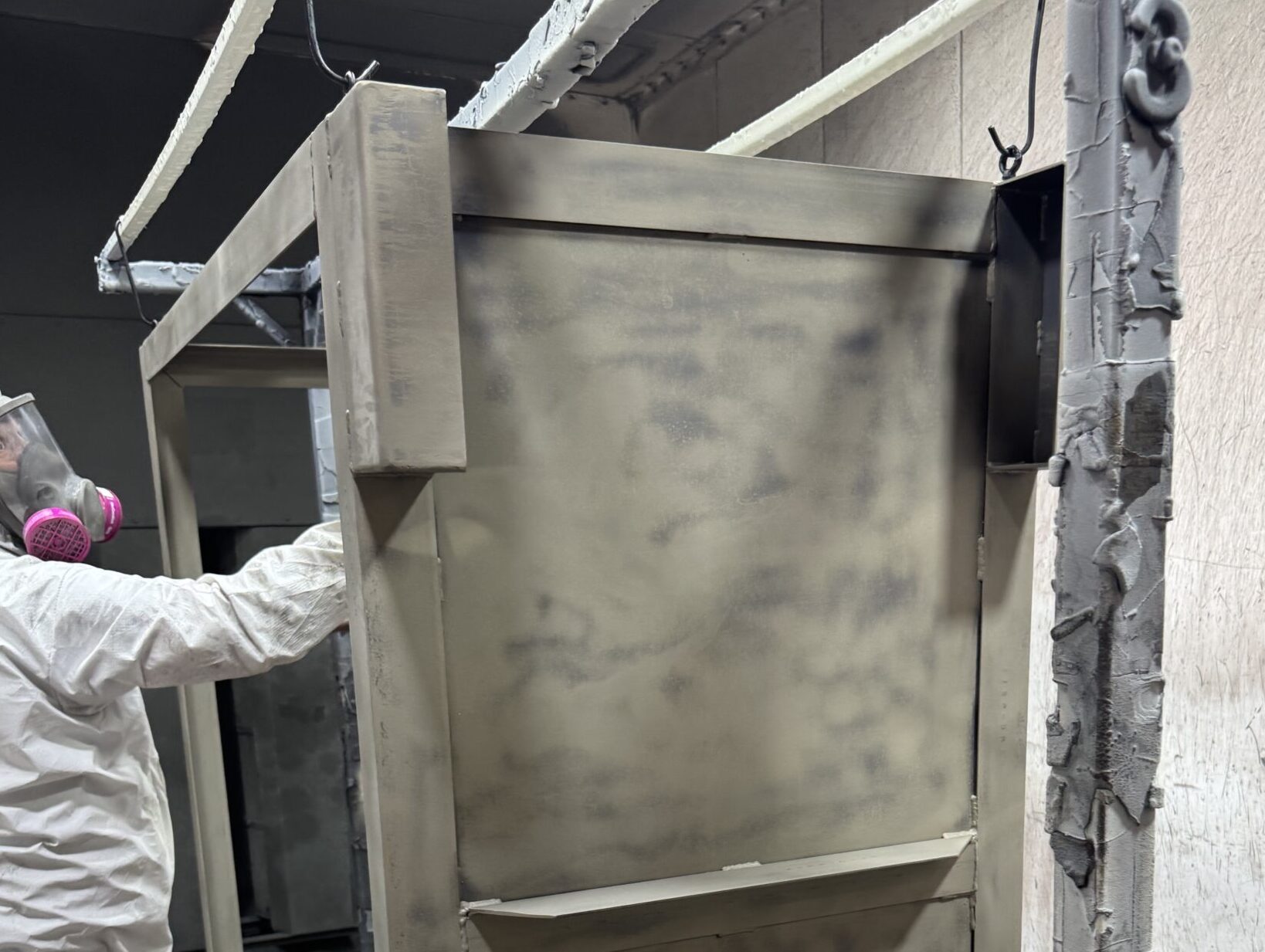
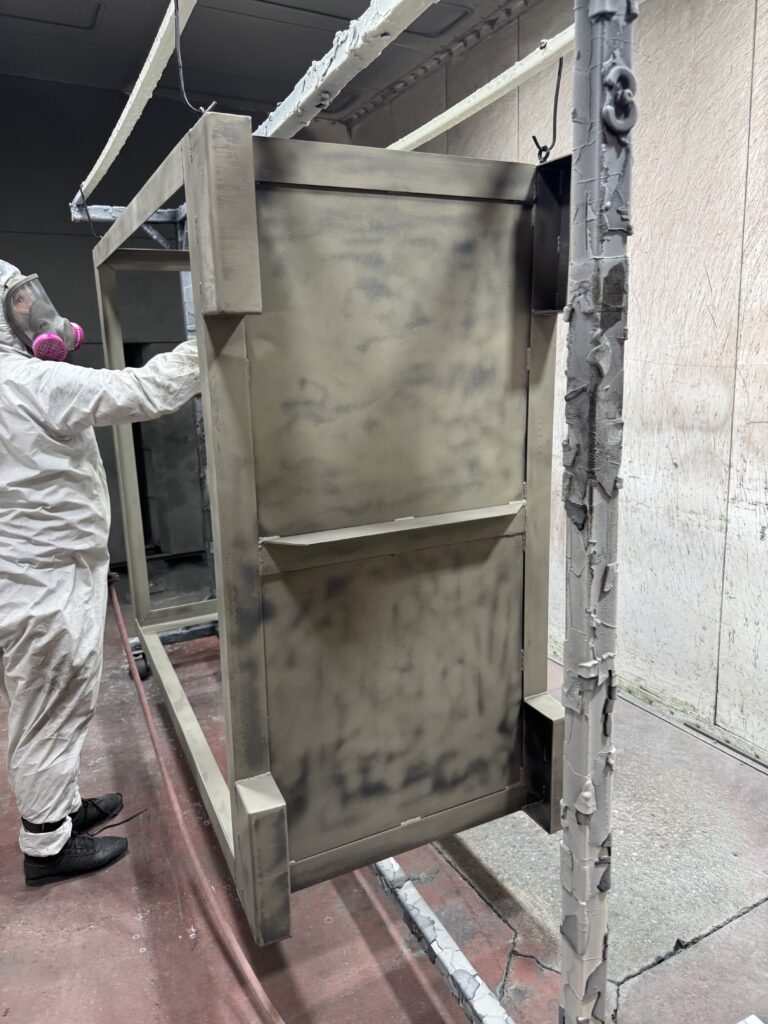
Why Media Blasting Is Essential for Long-Lasting Powder Coating
Media blasting is not just a cosmetic step. In fact, it is one of the most important parts of a professional powder coating job. Without blasting, coatings can fail early, even if the powder is high quality. That’s why shops treat blasting as a required step, not an extra.
In simple terms, blasting prepares the metal so the coating can grip. It removes rust, scale, and old paint. At the same time, it creates the surface texture the powder needs. As a result, the finish bonds better and holds up longer.
For a basic explanation of powder coating, you can reference the Powder Coating Institute (PCI) here: (link).
What Media Blasting Does
Media blasting uses abrasive material to clean and profile the metal. First, it strips away contamination like rust, mill scale, oxidation, and previous coatings. Next, it creates a uniform surface profile. Because of that, powder coating can “lock in” during curing.
In other words, blasting gives the coating a strong foundation. Without that foundation, the finish may look good at first, but it won’t last.
Why Blasting Improves Adhesion
Adhesion is the main reason blasting matters. When the surface has the right profile, the coating grips better. However, if the metal is too smooth, the coating can lift or peel later. Therefore, the profile must be consistent across the entire part.
Professional shops control blasting media, pressure, and coverage. They also inspect parts before coating. This helps prevent weak spots, especially on edges, corners, and welds.
Benefits of Professional Media Blasting
Blasting supports long-term performance. For example, it can:
- Improve coating adhesion
- Reduce peeling and delamination
- Help prevent rust under the coating
- Increase corrosion resistance outdoors
- Extend the service life of the finish
As a result, clients often see fewer failures and less rework.
When Media Blasting Is Most Important
Blasting becomes even more critical when parts have surface damage or contamination. For instance, blasting is strongly recommended for:
- Rusted or weathered steel
- Previously painted or coated parts
- Welded fabrications
- Structural and architectural metal
- Outdoor components exposed to moisture or salt
These parts often hide rust in seams and around welds. Because of that, a quick wipe-down is not enough.
Common Problems When Blasting Is Skipped
Skipping blasting can cause predictable failures. For example:
- Peeling at edges and corners
- Blisters from trapped contamination
- Rust bleeding under the finish
- Early corrosion around welds
- Shorter coating life and higher maintenance
So, while blasting adds a step, it prevents bigger problems later.
Blast and Coat: A Better Long-Term Result
A durable powder coat starts with proper preparation. With blasting, the coating bonds better and performs as intended. Therefore, it’s one of the best ways to protect your investment in metal parts.
If you want pricing or timelines for a blast-and-coat job, Get a Quote.
External link (use your PCI page)
PCI reference: (link)
Posts Widget
-
1
-
2
-
3
-
4

Alta Powder Coating
Since 2001, Alta Powder Coating has provided premium powder coating, media blasting, and industrial paint services for industries across Canada and worldwide. From custom automotive work to large-scale industrial projects, our finishes deliver precision, protection, and performance.